Havana before landing: what to know
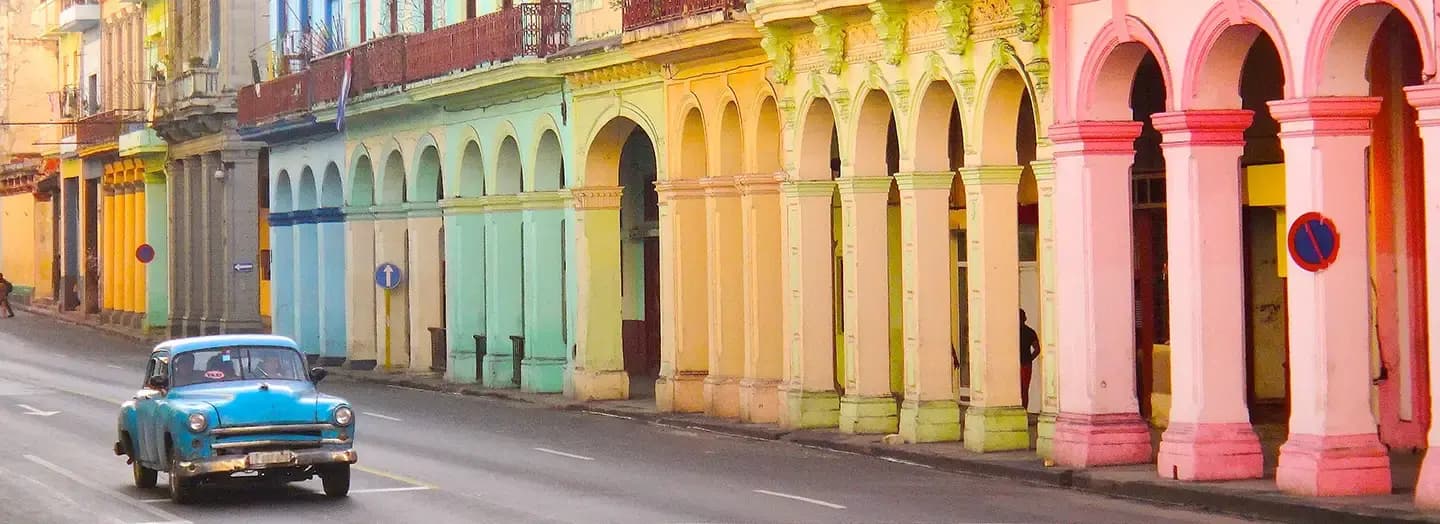
Havana stretches along the island's northwestern coast, facing the Florida Strait, and is divided into several distinct identities. La Habana Vieja is the colonial heart, a maze of squares and UNESCO-protected buildings; Centro is the city's vibrant and lived-in core, popular and slightly worn; Vedado, more modern, is home to historic hotels, movie theaters, and music venues. José Martí Airport is around twelve miles from downtown, reachable by taxi in about half an hour.
It's worth knowing that August falls within the hot and humid season, often bringing brief but intense afternoon showers followed by rapidly clearing skies; it is also part of the Caribbean hurricane season, which tends to become more active later in the fall. Otherwise, the capital can be visited year-round: a light jacket for breezy evenings on the Malecón and comfortable walking shoes are all you need to enjoy it.
It's worth knowing that August falls within the hot and humid season, often bringing brief but intense afternoon showers followed by rapidly clearing skies; it is also part of the Caribbean hurricane season, which tends to become more active later in the fall. Otherwise, the capital can be visited year-round: a light jacket for breezy evenings on the Malecón and comfortable walking shoes are all you need to enjoy it.
Direct Neos flights from Italy to Havana: how long they take and what to know
The direct flight from Italy to Havana generally takes between 10 and 11 hours. On a transatlantic route like this, a nonstop flight makes a real difference: no connections through U.S. airports and their associated security procedures, no waiting for onward flights, just one boarding process and a single baggage check from departure to arrival. Considering that Cuba is six hours behind Italy, arriving without the fatigue of an intermediate layover makes your first afternoon in the city far easier to enjoy.
Must-see in Havana
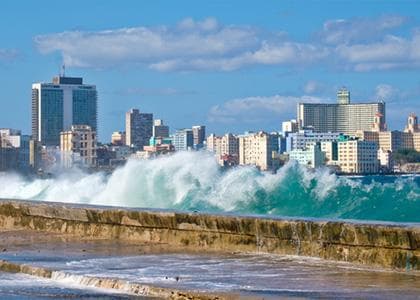
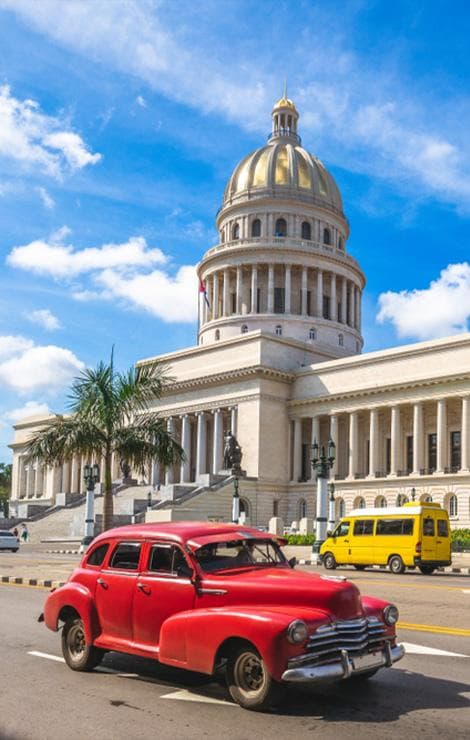
Havana is best explored on foot, letting the music lead the way. La Habana Vieja alternates beautifully restored plazas such as Plaza Vieja with corners that remain unmistakably authentic, all framed by the Capitolio and historic literary cafés. The Malecón, the city's five-mile waterfront promenade, becomes Havana's open-air living room at sunset, filled with fishermen, couples, and the sound of guitars. Vedado is also worth a visit, with the monumental Colón Cemetery and grand historic hotels, while a ride in an almendrón, one of the shared vintage American cars, is already an experience in itself. Travelers with extra time can head to Viñales and its tobacco-growing landscapes, about two hours from the capital.
Fares, baggage, and onboard services for the Neos flight to Havana
On an intercontinental route such as Havana, fare selection mainly affects checked baggage allowance and flexibility: Relax and Freedom fares include checked baggage, with different options for changes, while Promo fares allow baggage to be added during booking. For flights to Cuba, online check-in follows a specific rule for long-haul routes: it opens 24 hours before departure instead of 48, as on European flights, and closes 3 hours before departure. On board the Boeing 787, the journey feels less tiring thanks to the more comfortable cabin environment, meal service, and individual entertainment system available throughout the crossing. Everything is managed on neosair.com, from flight search to seat selection. Then comes the moment that makes the trip worthwhile: walking along the Malecón at sunset, salt in the air and an entire city behind you that never stops playing.
FAQ
Neos operates flights from Rome Fiumicino to Havana with a stop in Milan Malpensa.
To enter Cuba, you need a passport with at least 6 months of remaining validity, an electronic tourist visa, mandatory health insurance, and completion of the online entry form.
José Martí International Airport (HAV) is approximately 11 to 12 miles from central Havana, depending on your destination within the city. By car or taxi, the trip to Centro Habana or Old Havana usually takes between 20 and 30 minutes, depending on traffic conditions.
The best time to visit Havana generally runs from November through April, during the drier season, when temperatures are warm but less humid and rainfall is more limited. December through March, in particular, offers ideal conditions for exploring Habana Vieja, the Malecón, and the city's other neighborhoods on foot.
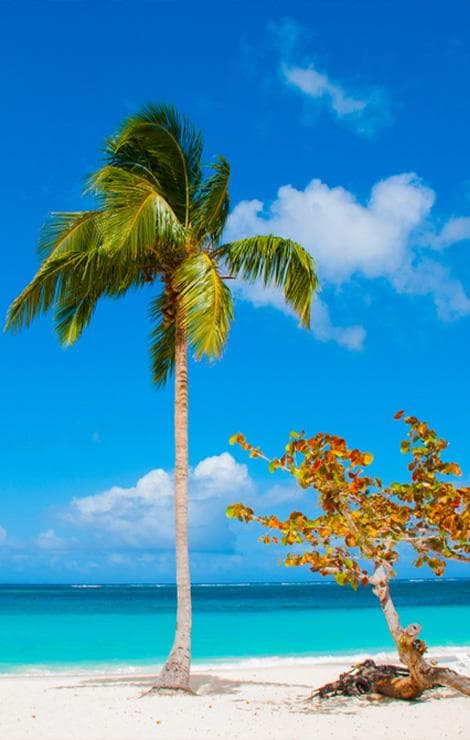
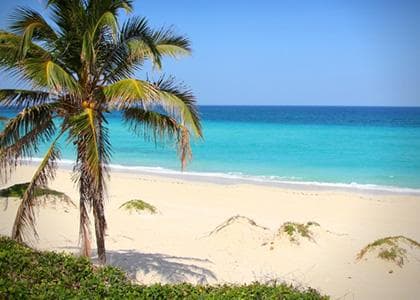
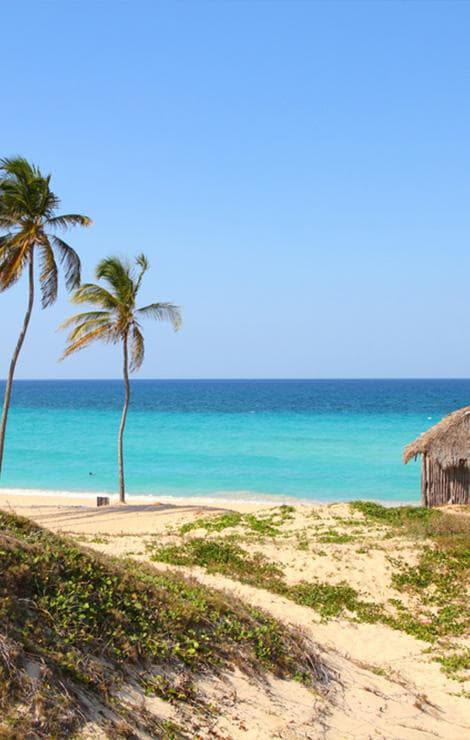
From Havana, you can easily reach both the beaches near the capital and Cuba's major seaside destinations. The Playas del Este, including Santa María del Mar, Boca Ciega, and Guanabo, are about 16 miles from downtown and are also served by Transtur tourist buses departing from Parque Central. For more distant destinations, you can use Viazul intercity buses, taxis, organized transfers, or a rental car. Viazul connects Havana with the island's main cities and tourist destinations.