
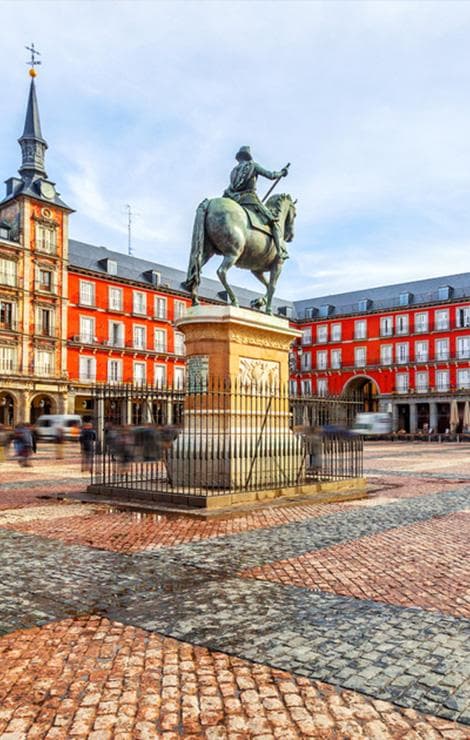
Spain by air: islands and coast, two different travel mindsets
The Spain that Neos connects to from Italy is often “insular”: the Balearics (such as Ibiza, Minorca, and Palma de Mallorca) and the Canaries (such as Tenerife, Fuerteventura, Lanzarote, and Las Palmas) each have their own rhythms and seasons, and it's worth keeping this in mind when considering arrival by plane. The Balearics are often the most immediate choice for a Mediterranean-style vacation, with long days and relatively quick travel times between beaches, coves, and towns. In both cases, landing is the real turning point: choosing the right airport and time means simplifying transfers, car rentals, and check-in at your accommodation.
Direct flight to Spain from Italy: approximate times
On routes to the Balearics, a direct flight from Italy typically takes around 2–3 hours (with some variability depending on route and traffic). Toward the Canaries, instead, travel time is more commonly around 4–5 hours. In both cases, the point isn't just “how long it lasts,” but what changes before and after.
A direct flight to Spain from Italy reduces the variables that affect your arrival: fewer connections mean fewer repeated checks, less risk of cascading delays, and a simpler baggage claim. Translated into practice: an easier time sticking to your car rental schedule, more flexibility for an evening hotel check-in, and a lower chance of having to reorganize your first day.
A direct flight to Spain from Italy reduces the variables that affect your arrival: fewer connections mean fewer repeated checks, less risk of cascading delays, and a simpler baggage claim. Translated into practice: an easier time sticking to your car rental schedule, more flexibility for an evening hotel check-in, and a lower chance of having to reorganize your first day.
Must-see in Spain
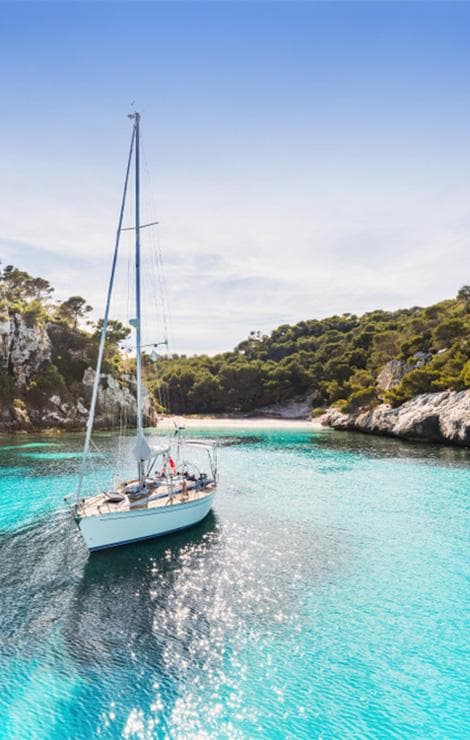
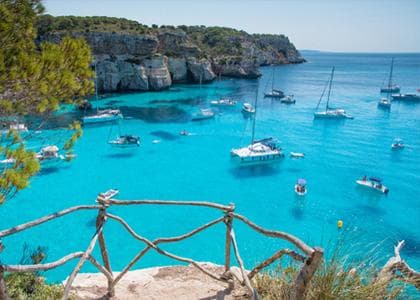
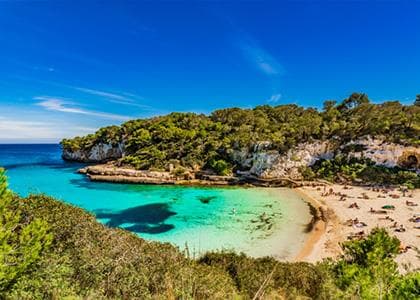
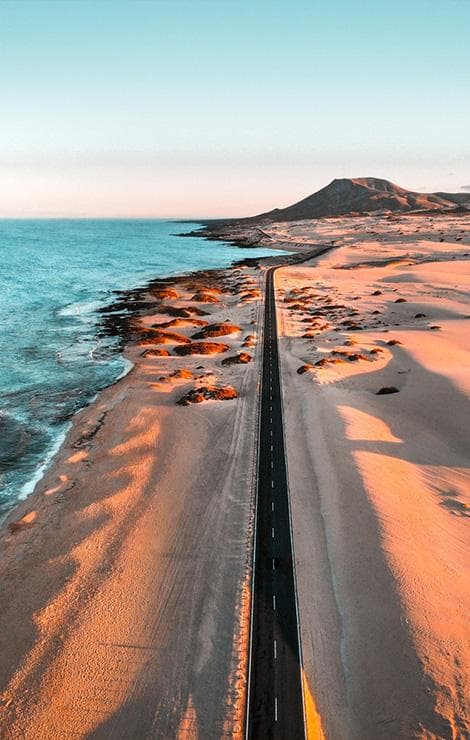
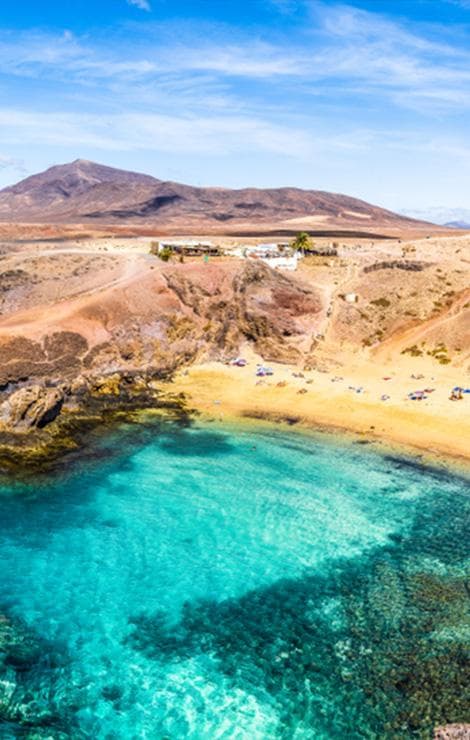
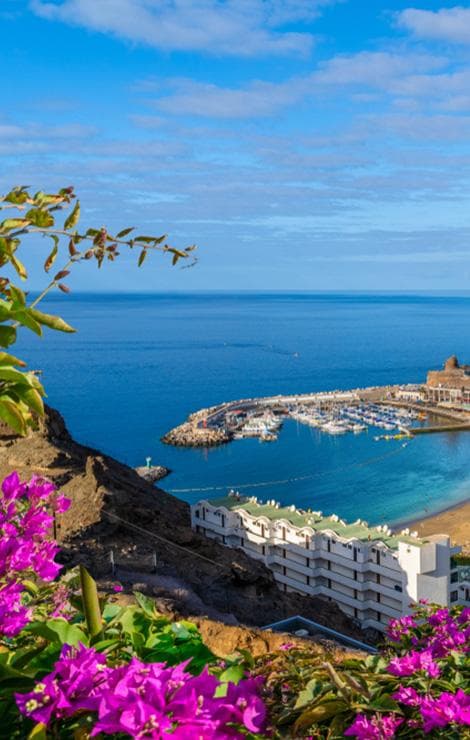
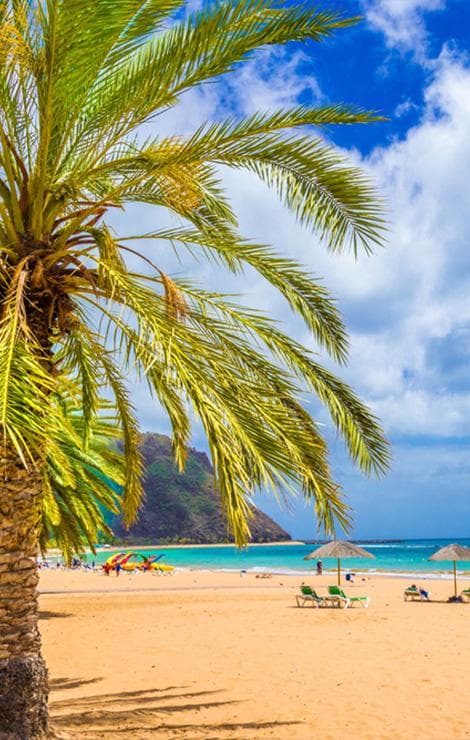
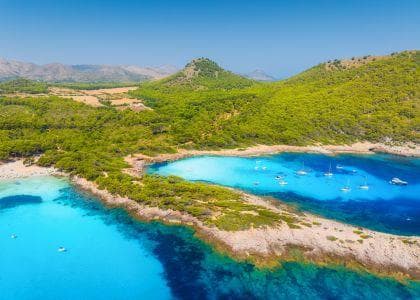
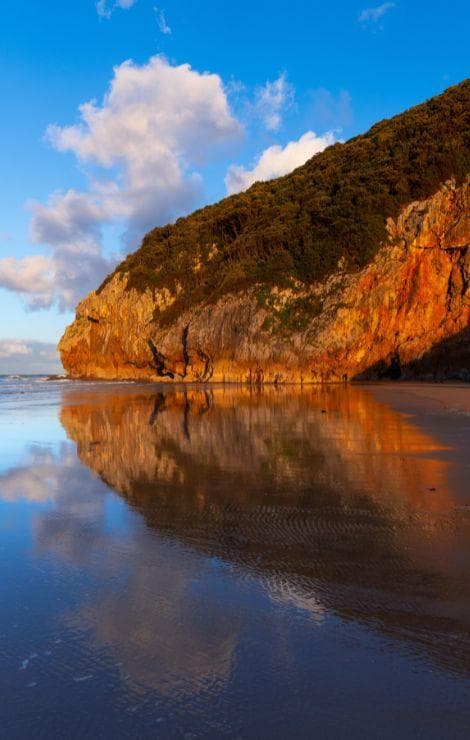
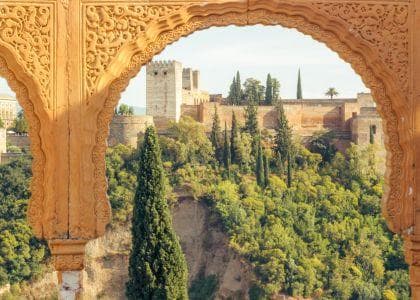
Ibiza isn't just nightlife: outside the most crowded months it offers coves, coastal paths, and sunsets that make the trip worthwhile. For those who want an even slower pace, Formentera is easily reached by ferry from Ibiza and rewards you with pale beaches and “clean” horizons. Minorca is the “quiet” island, perfect for anyone looking for clear water and small bays where time slows down. Palma de Mallorca alternates city life, sea, and a mountain range like the Serra de Tramuntana, ideal for views and scenic roads. In the Canaries, Tenerife surprises with the energy of Mount Teide and landscape contrasts just a few miles apart: from the dark beaches of Playa Jardín or Playa de Benijo to the brighter stretches of Las Teresitas. In Ibiza, instead, the island shows its best side between bays like Cala Comte, Cala d'Hort, and Cala Saladeta, where the sea truly makes you forget the clock.
Offers and operational details: booking, check-in and baggage
Fares change based on season, advance booking, and availability: if the goal is to catch good conditions for flights, it's best to start with the dates (even flexible ones) and then compare the options that appear during booking on neosair.com. On the practical side, online check-in is free and generally available from 48 hours to 3 hours before departure (for bookings of up to 9 people), and it can also be used if you need to check a suitcase: in that case it's still important to arrive at the airport early to drop the baggage at the Neos counters.
For baggage, the key rule is clarity: in the cabin you're allowed one carry-on bag (up to 8 kg, with maximum dimensions of 55×40×20 cm) and an orderly setup helps avoid surprises at security checks, especially since measurers are available at counters and gates. If you choose an Economy Relax or Freedom fare, checked baggage is included; the number of bags and allowances depend on the route and are shown in the ticket details and during purchase. When you need more space, you can consider adding bags or extra services from the booking management area, so you can depart with a clear plan — and not one “fixed” at the last minute.
For baggage, the key rule is clarity: in the cabin you're allowed one carry-on bag (up to 8 kg, with maximum dimensions of 55×40×20 cm) and an orderly setup helps avoid surprises at security checks, especially since measurers are available at counters and gates. If you choose an Economy Relax or Freedom fare, checked baggage is included; the number of bags and allowances depend on the route and are shown in the ticket details and during purchase. When you need more space, you can consider adding bags or extra services from the booking management area, so you can depart with a clear plan — and not one “fixed” at the last minute.
FAQ
For Italian citizens, a valid ID card for expatriation is sufficient.
The difference lies mainly in their location, which determines the climate. The Canary Islands, near Africa, are surrounded by the Atlantic Ocean and enjoy pleasant weather all year round, while the Balearic Islands, surrounded by the Mediterranean Sea, are similar to Italy in terms of water color and temperature.
Spain is known for mild weather all year. The Canary Islands offer various possibilities year- round, while the Balearic Islands are mostly reachable from May to September.
You can add a checked bag during web check-in or at the flight check-in desk at the airport.
For flights longer than 3 hours, a special meal can be selected during the booking process or by accessing the "MY BOOKING" section on the homepage up to 4 days before the flight departure.